
Commendable word to accelerators
Institute Dubna - 1963
... And when Kapitsa was brought here and shown the
accelerators, the equipment, beams, he asked skeptically,
"So, you do the same as Rutherford has done,
nothing else was invented?" Really,
almost the same, but on a completely different level...
From the lecture by A. A. Tyapkin "Through the iron curtain"
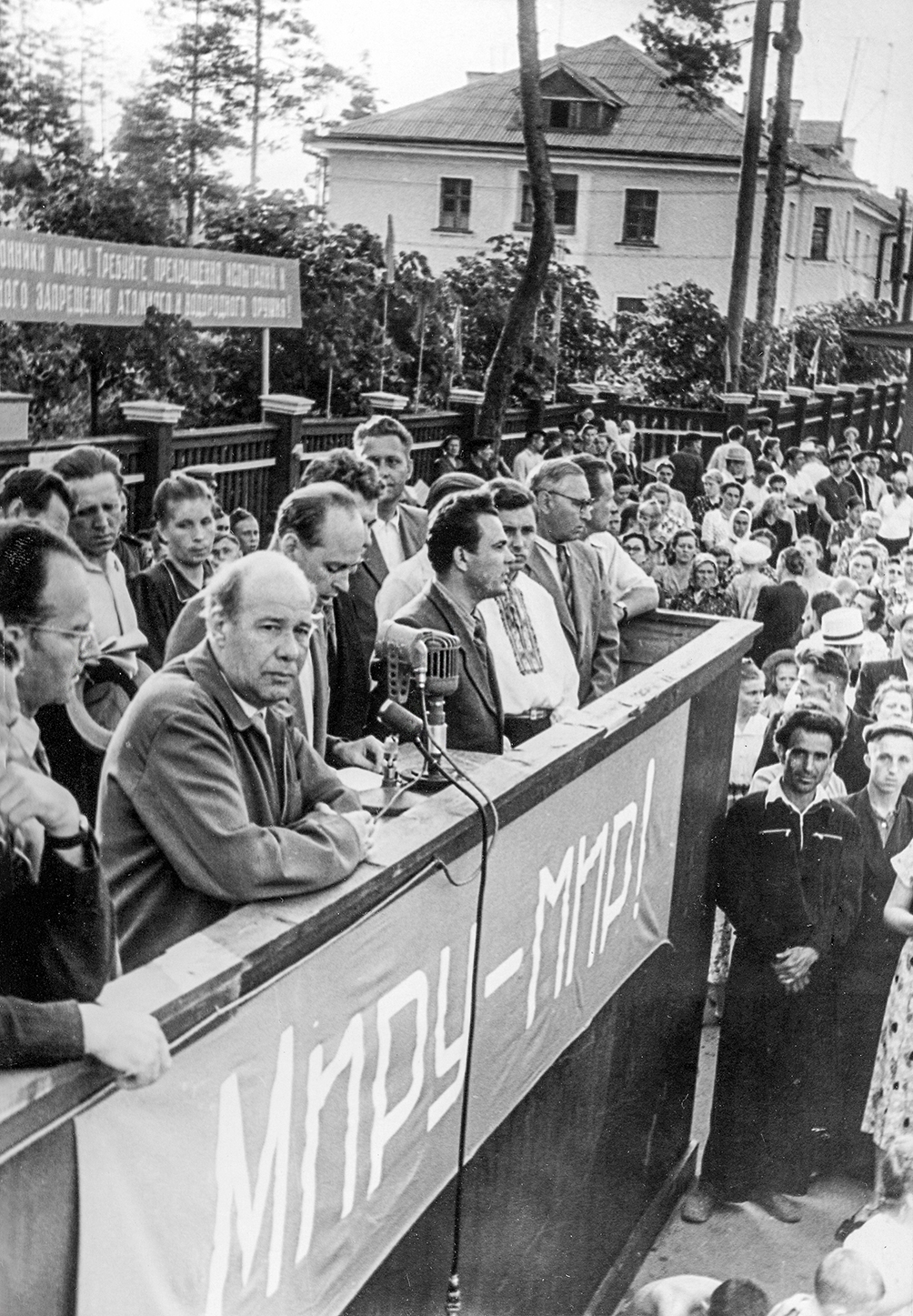
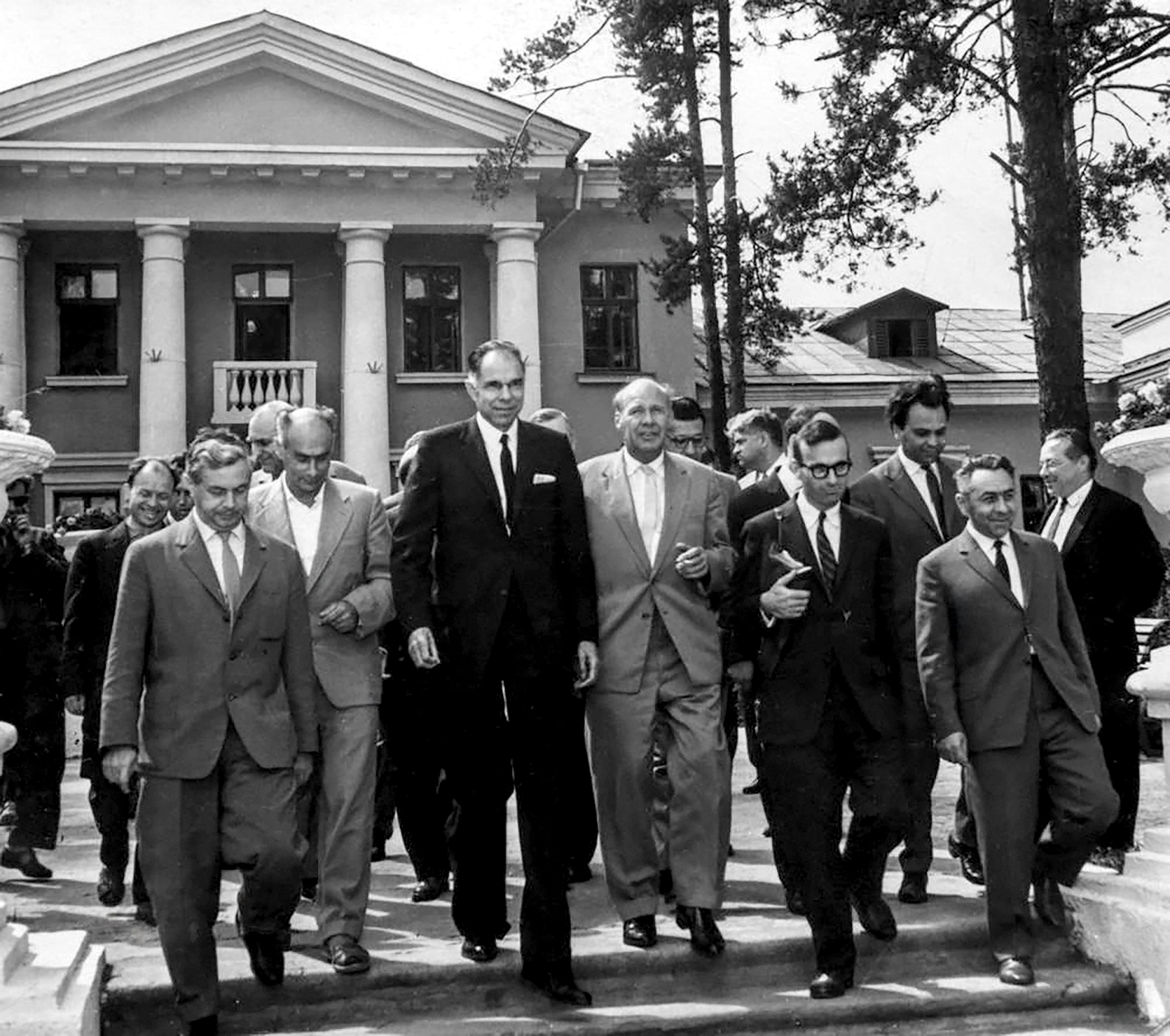
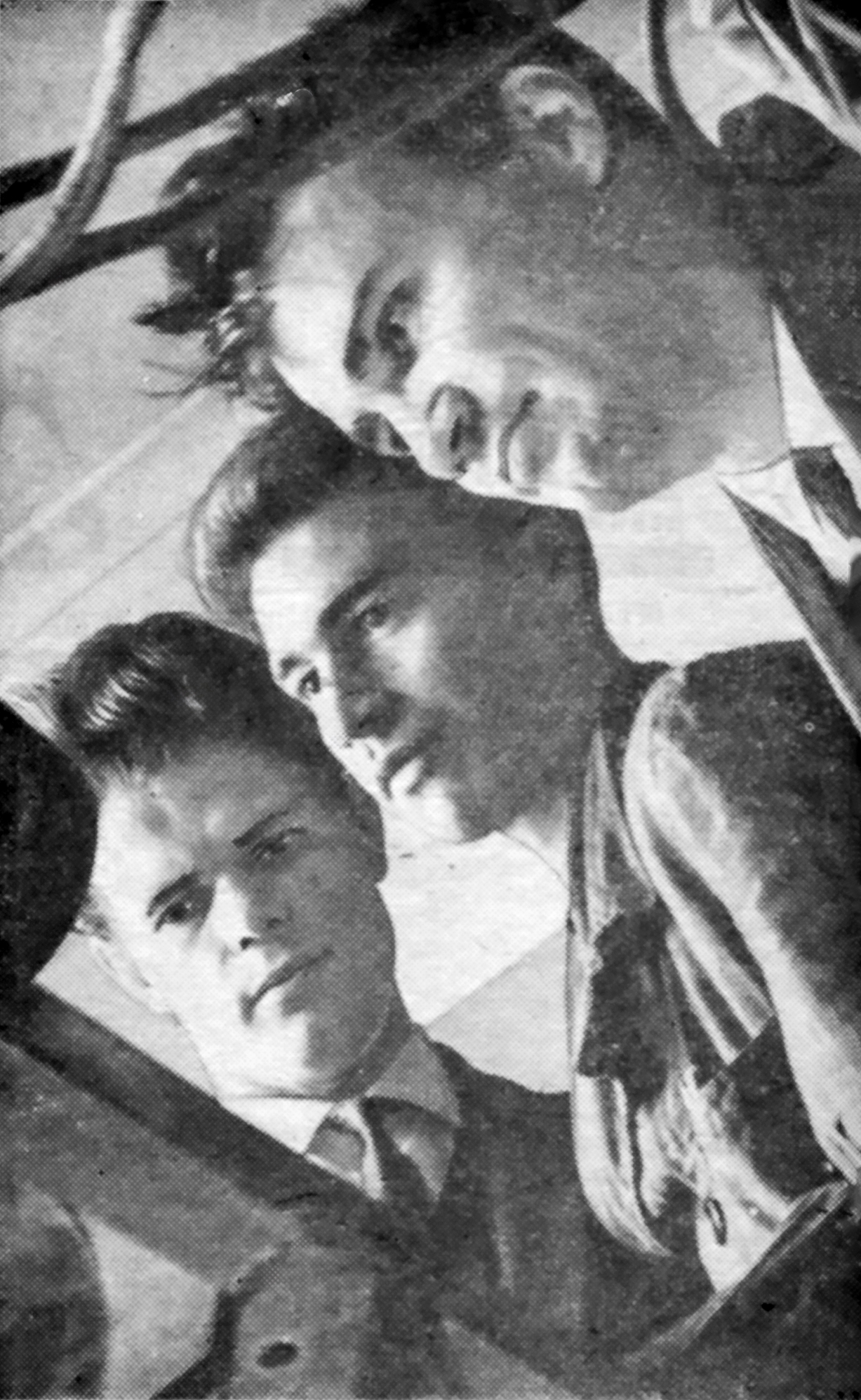
In April 1963, FLNR opened its own account of synthesized transurans. Three young employees of FLNR on the world's best heavy ion accelerator U‑300 obtained the isotope‑256 of the element 102 of the Mendeleev Table. In itself, it was not a surprise, on the contrary, they had been looking forward to something similar for a long time. A surprise was that Glenn Seaborg came to Dubna on this occasion. The sky, of course, did not fall to the ground, but the reception was magnificent for the distinguished guest, and the young employees of FLNR considered it an honor to devote the master to the details of the experiment they had carried out.
Seaborg had two reasons for visiting Dubna. First: at that time, he was in Moscow, where, as chairman of the US Atomic Commission, he participated in the preparation of the Agreement on the Prohibition of Nuclear Weapons Tests in the Atmosphere, Underwater and in Outer Space; two months later, this agreement was signed by the world's leading nuclear powers. Second: upon learning that the data for the 102 obtained in Dubna is very different from what was predicted in Berkeley, Seaborg was alarmed and decided to come and make sure that there was no mistake. And he had reason to worry. Over the 102, a long and confusing story dragged on, which the words of Academician P. L. Kapitsa are the best fit to: "In no field of physics have so many gross mistakes and false discoveries been made as when processing statistical data obtained as a result of nuclear collisions."
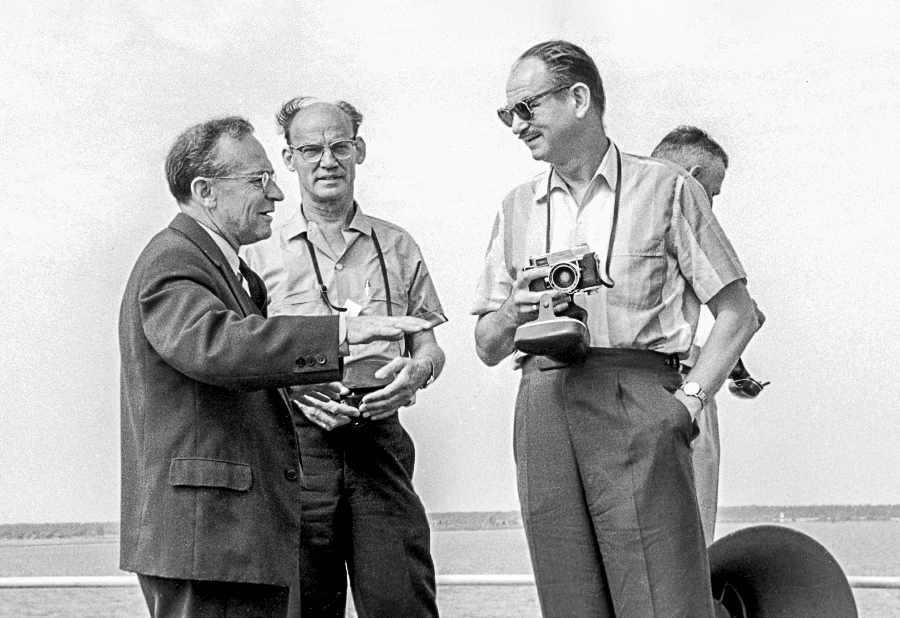
In 1957, the discovery of the element 102 was announced by an international group of scientists that obtained this result on the accelerator of Stockholm University. They were in such a hurry to destroy Berkeley's monopoly on the production of new elements that in a hurry they did not indicate which isotope they had obtained, but they managed to call the element "discovered" by them Nobel. Having tried three times to repeat their result, Berkeley came to the conclusion that the "Swedes" were mistaken. The book "Transuranic people" mentions that Albert Giorso, having gained access to the original data of the Stockholm group, "was shocked by how bad they were".
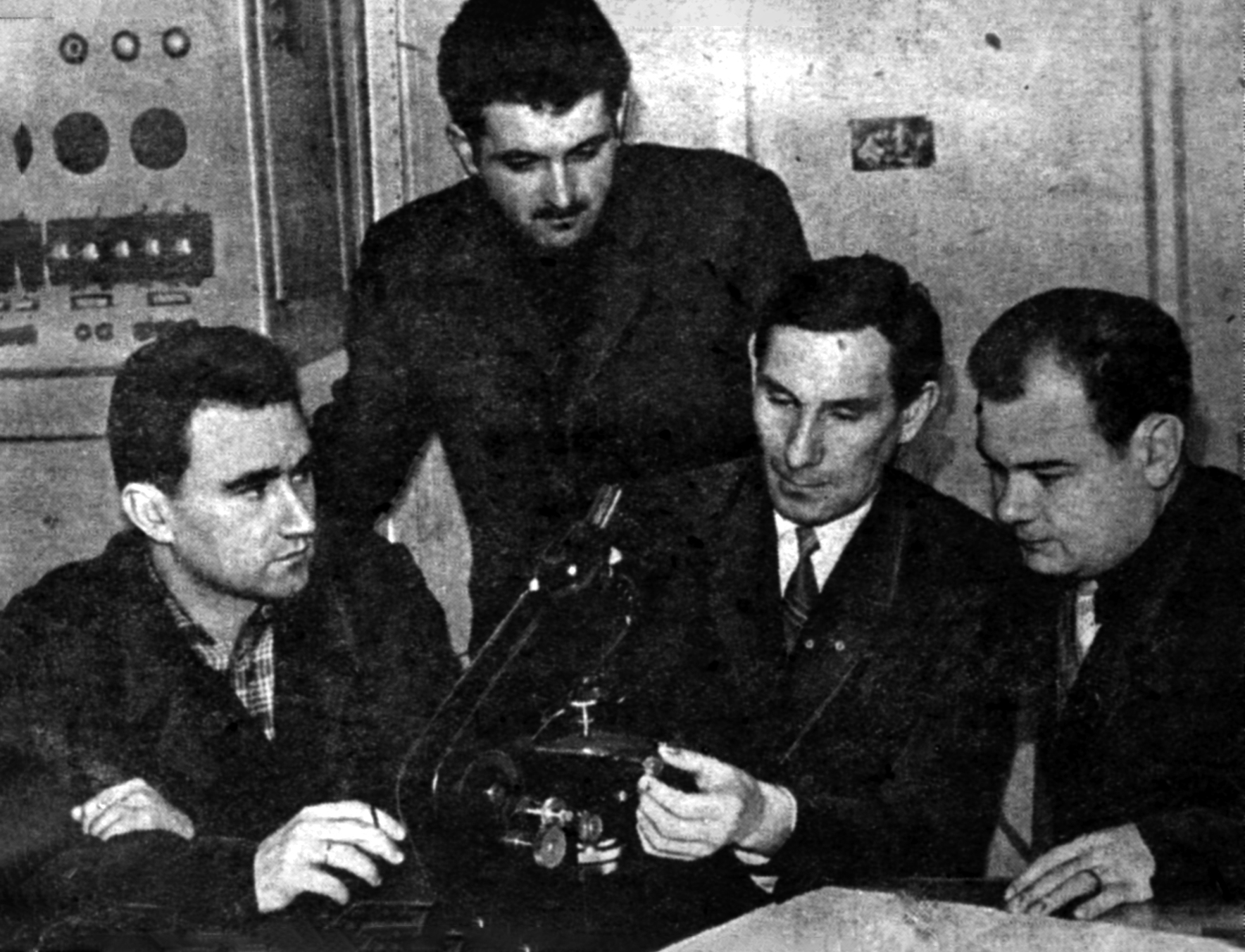
After the Giorso group had published the results of an experiment to synthesize the isotope‑254 of the element 102, it was believed that the 102 was discovered. That is why the Dubna result of 1963 entered the State Register of Discoveries of the USSR as the discovery of an isotope of the element 102 and not the element itself. But this was also perceived as a victory. JINR Director D. I. Blokhintsev said, "Perhaps, this is the first Dubna work in which it is impossible to indicate any error." "And we," one of the authors of the discovery, E. D. Donets said in a 2019 lecture, "decided to check whether everything (the Americans - A. R.) is correct with the isotope‑254 they were talking about? And what did we find? The half‑life was much longer: not 3 seconds, as they indicated, but 50... In 1971, they admitted that they were mistaken: what they took for 102 with a mass of 254 was actually an isotope with a mass of 254. At the same time, they had to admit that their radiochemistry was worthless: they said that they had confused fermia with californium..." In 1992, an international commission recognized the priority of opening the element 102 exclusively beyond Dubna. This is the ending of the story that began with the fact that G. N. Flerov said to three young people: I am going to 104 and if you want, continue to study the 102. "And we," as Evgeny Denisovich later said, "in our youth, out of stupidity, agreed."
“Whoever has a head does not need accelerators,” D. I. Blokhintsev once jokingly remarked. But his other phrase is better known that has already been said seriously and has become an aphorism: there are always enough facts, there is not enough imagination. This is exactly the situation that developed by the mid‑1960s in particle physics. Accelerators gave out more and more experimental data, they did not have time to process and comprehend and there was no theory - only separate techniques that allowed connecting some data with others, but did not open the picture as a whole. Physicists of the older generation that made the birth of quantum mechanics or even took part in its development, believed that on the way to the future theory of elementary particles, there is another change of familiar ideas, so radical that Niels Bohr spoke of the theory that Werner Heisenberg had established: it is not mad enough to be true and this phrase of his was immediately picked up, replicated and conveyed to the broad masses by the popularizers of science. But the majority - mainly those who came to physics after the war, adhered to the point of view that there are not enough new accelerators for even higher energies to build the theory of elementary particles. The operating accelerators allowed considering what is happening on the level of the Compton wavelength and in order to look deeper into the microcosm, up to 10‑16 cm, accelerators of hundreds or more GeV are required - they were also discussed at the international conference on high‑energy accelerators, held in Dubna in the last decade of August.
The 1000 GeV cyber accelerator project was presented by Director of the Radio Engineering Institute, Academician A. L. Mints (two years later, the current 1 GeV prototype was constructed and that was it). The representatives of CERN and Berkeley reported on proton accelerators at 300 and 150‑300 GeV and Deputy Director of ITEP, project supervisor V. V. Vladimirsky reported on a proton accelerator at 60‑70 GeV. As time has shown, the most promising was the 30 GeV electronic accelerator that was constructed at Stanford University. It was launched the very next 1964 and five years later, during experiments on it, for the first time, point scattering centres in nucleons were "groped" and physicists spoke in the language of quarks.
Dubna promoted the meson factory project. Option A: do from scratch – it could spend JINR's budget for five years ahead. Option B, more budgetary, involved the reconstruction of the operating synchrocyclotron, but after China had left Dubna and the JINR budget sank by 20%, the idea had to be shelved. When they returned to it a few years later, interest in the project dropped noticeably. And here's why. From the diary of D. I. Blokhintsev (entry January 28, 1970), "The Scientific Council passed... I set the brains of the Germans. It was about the construction of a MC (mesonic cyclotron - A. R.) that we all objected to. Build for a long time, at least 7 years... Heinz Pose, "What is it! I do not understand! They used to construct an accelerator in two years, now it takes 8 years!" Me, "Heinz Rudolfovich! You've known us for a long time. You know the periods when it came to the life of our country (and perhaps, the entire socialist camp), then, we constructed in two years. Today, the situation is incomparable and therefore, it is impossible to compare M (the facility M, the first Dubna accelerator - A. R.) with MC..." M. G. Meshcheryakov spoke about the same, "It is difficult to justify the reconstruction of old accelerators, such as, the synchrocyclotron at the Joint Institute. It, apparently, will happen no earlier than 1976, while the Americans have already constructed an accelerator for currents 50-100 times more than those that will be achieved from us in five years and for greater energy. By squandering our rather meager resources on these hopeless affairs, cluttering the industry with the manufacture of obsolete equipment, we thereby doom our science to stagnation. In this way, it will not be possible to break out to the forefront of science, although it will be possible to add and clarify some points on the current curves. But is that the point of research?" In the late 1970s, the synchrocyclotron was nevertheless shut down and five years later, returned to physicists in the form of the so‑called F. The achieved intensity was an order of magnitude inferior to that of American physicists at the Los Alamos Meson factory back in 1979, so, the letter F began to be deciphered not as "factory" but as "phasotron", although terminologically this is the same as the synchrocyclotron.
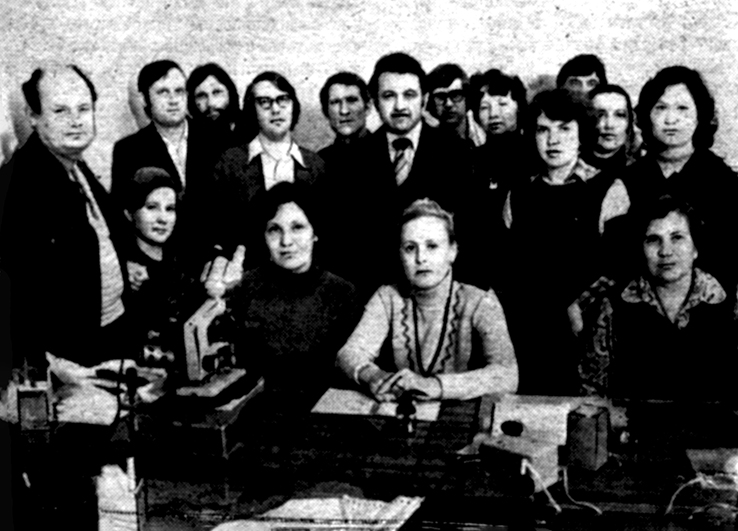
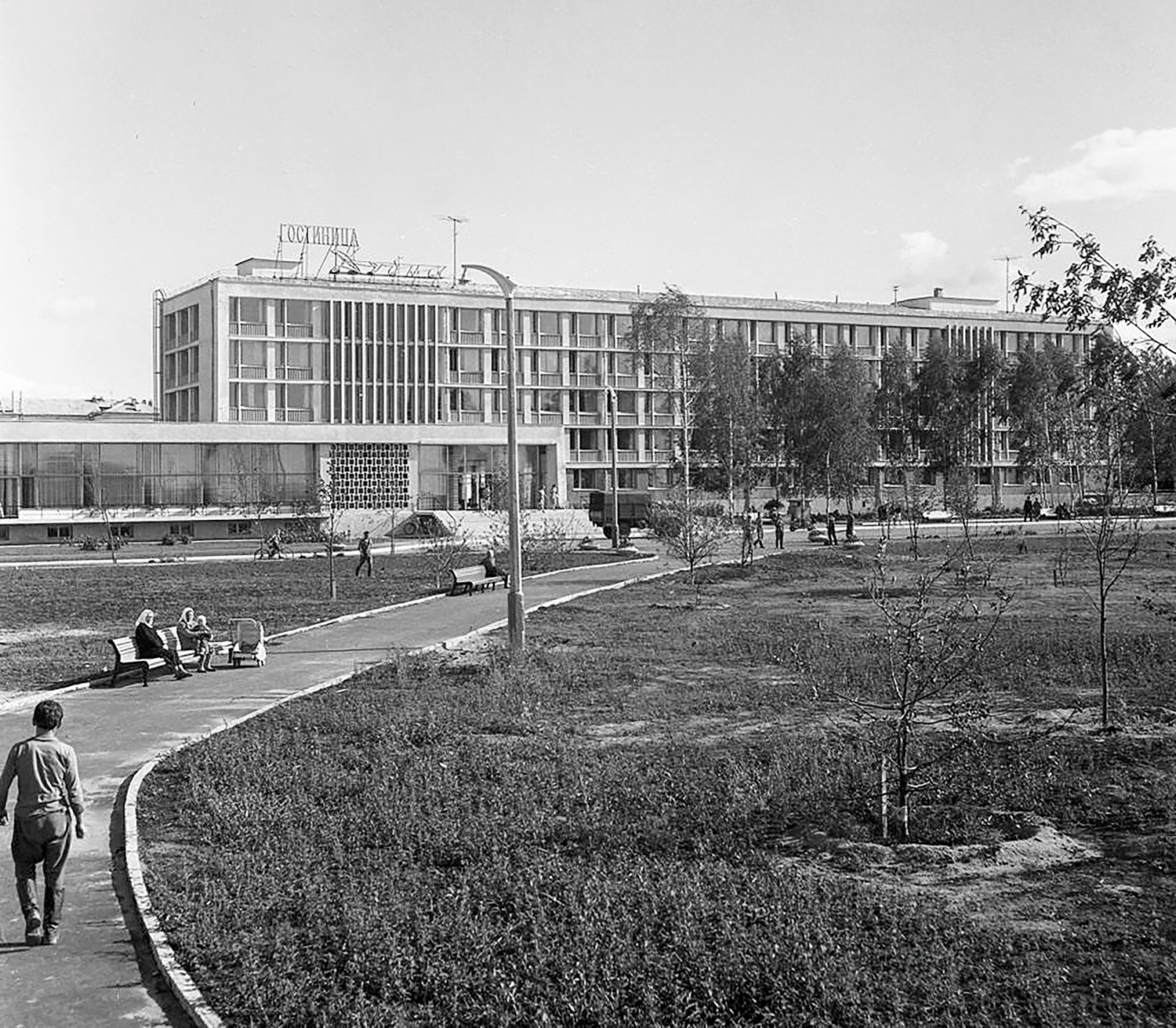
Let's pay tribute to the accelerators of the past and the future, of all times and peoples - the 1963 conference benefited the city. Built according to the Bulgarian project, the Dubna Hotel, with a restaurant and a bar, gave the city a European charm. A clearing was cut through the forest to the institute part of the city and the highway was lined with concrete slabs. For difficult teenagers, a summer labor and a recreation camp were organized on the Dubna River, near the village of Starikovo, where they went through a school of labor education. The 26‑year‑old Komsomol member Alexander Zlobin, appointed by the "teacher Makarenko," coped so well with the task that the next year, these difficult teenagers themselves rushed to nature, to the labor and recreation camp. Measures were also taken for difficult adults. According to legend, one of the Dubna citizens, a man of non‑standard behavior, was evicted from the city during the conference (with a mark in his passport) and after the conference, he was again registered at the same address.
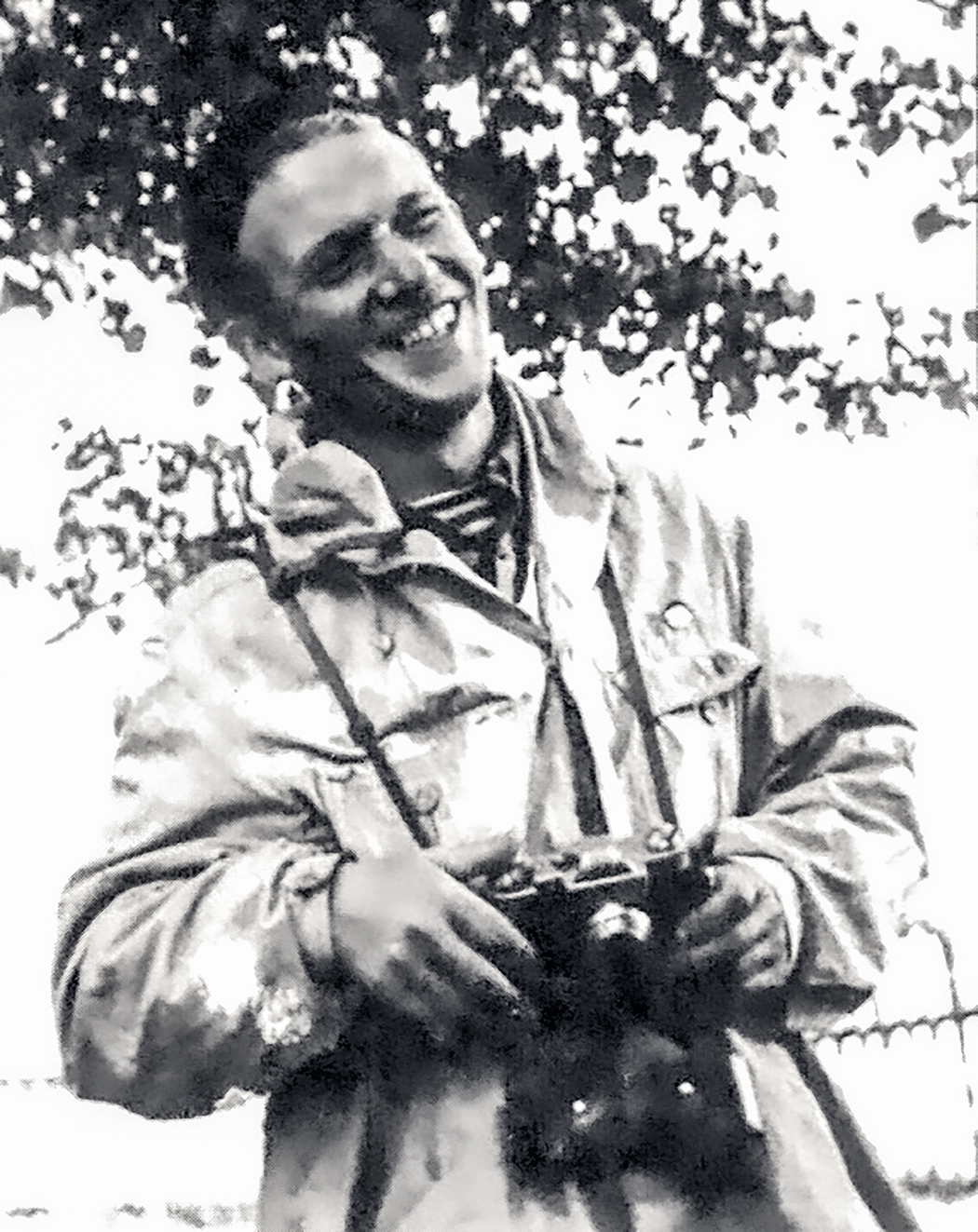
And one more success of the Institute Dubna in 1963: JINR "squeezed out" the Institute of High Energy Physics being established at ITEP, the experimental base of which was to be the same accelerator of V. V. Vladimirsky. A student of academician N. N. Bogolyubov A. A. Logunov was appointed director of the Institute and Nikolay Nikolaevich himself was the scientific leader of the Institute. And when U‑70 started operating, Dubna citizens came to Protvino as to their home - they were met by their own, "compatriots": Yury Prokoshkin, Roman Sulyaev, Anatoly Dunaytsev, Vladimir Rykalin...
But there were also defeats. On 8 November, Dubna's team met with the Obninsk team at the site of the Club of Merry and Sharp‑witted. Dubna lost to Obninsk with a score of 47:39 and the whole country saw it, clinging to the TV screens and when they returned home, when they entered the city, they met a banner: "Hello to the stupid cretins!" At the end of the year, on 30 December, Dubna tried its hand again and in the competition of 12 teams took an honorable fifth place.
"But you yourself should not distinguish defeat from victory," the Poet said and yet it was a shame. Analyzing the reasons for two defeats, one of the members of the Dubna Club of Merry and Sharp‑witted made an unexpected conclusion: it is necessary to prepare. The Obninsk participants prepared for a meeting with Dubna for six months. And Dubna? How Dubna was preparing can be judged at least by this passage, "Two days before the performance, Volodya Nikitin was caught that under the onslaught of persuasion: "We must!" - agreed to become the team captain. For the second time, Yura Batusov found himself in the same position..." Is Dubna, where there are so many intellectuals, too tough for some KVN? The question of the author of the note remained unanswered. Dubna did not play more in KVN.
Alexander RASTORGUEV