
Electronic english version since 2022 |
The newspaper was founded in November 1957
| |
|
Number 13 (4811) |
Youth and science
Only penguins lived here...
At the weekly seminar of AYSS in the JINR Club of Scientists, an intern researcher at FLNP Polina FILONCHIK spoke about her participation in the 71st Russian Antarctic Expedition. The two-month journey on the Cape Town - Antarctica - Cape Town route took place in December 2025 - January 2026.
During the trip on a large research vessel, Polina more than once was in the stormy ocean, lived a polar day, saw penguins, icebergs, celebrated the New Year on an expedition, visited several research stations, prepared scientific papers and even found bikers of one very famous club that delivered and installed a bust of the Soviet polar explorer Mikhail Somov. Polina talked about how one can get on such an expedition and answered questions of the participants of the seminar.
The mainland at the South Pole with an area of about 14 million km2is about one and a half times larger than Europe, 98% covered with ice. Nevertheless, there is land and the speaker brought stone rocks from there that she showed at the seminar. The totality of parts of the Pacific, Atlantic and Indian oceans is allocated by today’s scientists to the fifth ocean - the South. A strong Antarctic circumpolar current emerges around Antarctica that is fed by winds. Due to the rotation of the Earth, the western direction of the winds dominates, so strong storms occur here in the region of 40°, 50° and 60° latitudes of the Southern Hemisphere. Informally, 40° - 50° zones are called "roaring forties," and 50° - 60° - "frantic fifties".
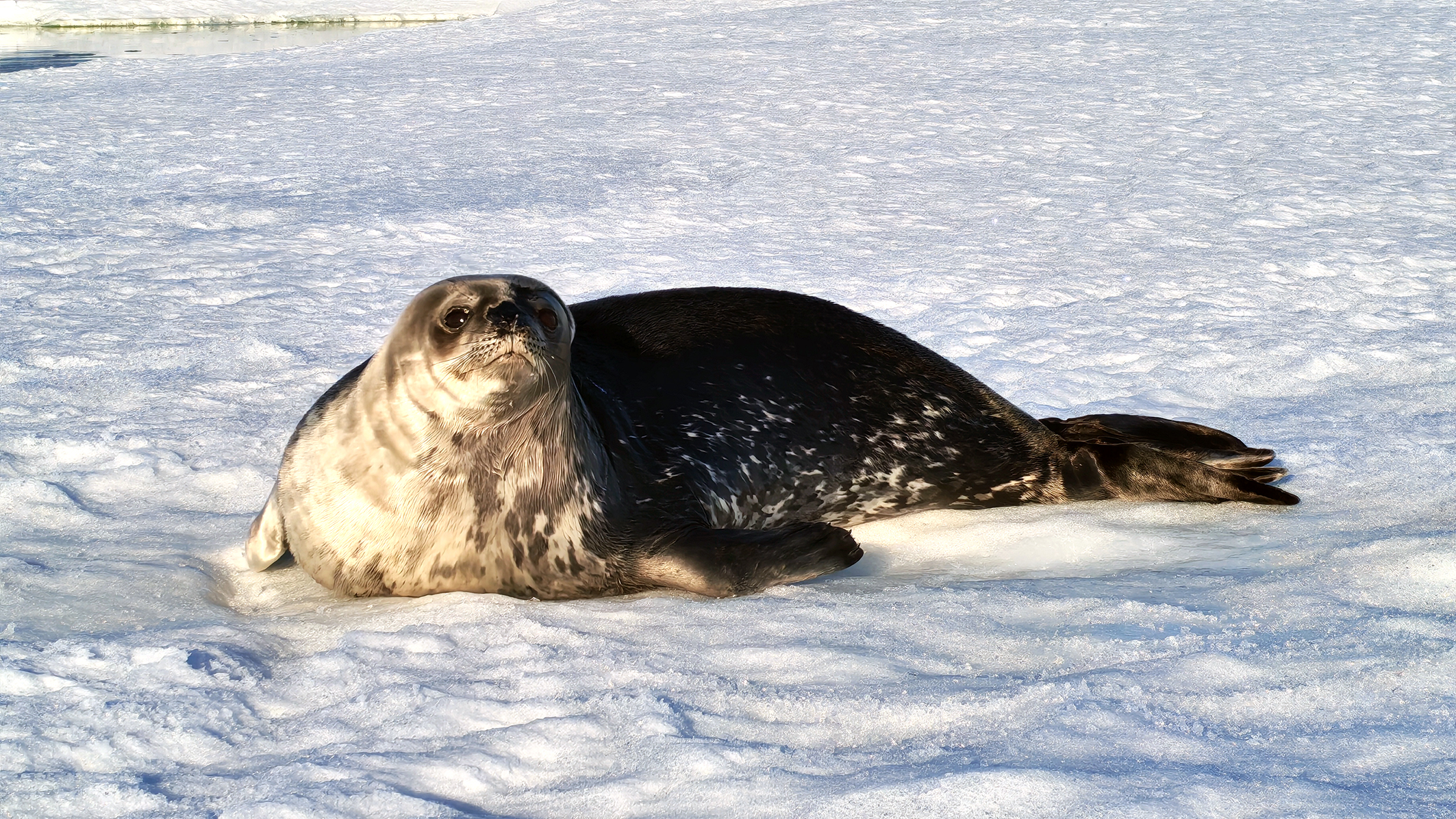
On the way to Antarctica, animals meet, such as small whale birds, as well as petrels with a wingspan of up to two meters and albatrosses with a wingspan of two meters. Weddell's friendly seals lie on ice floes and react very slowly to the appearance of the vessel.
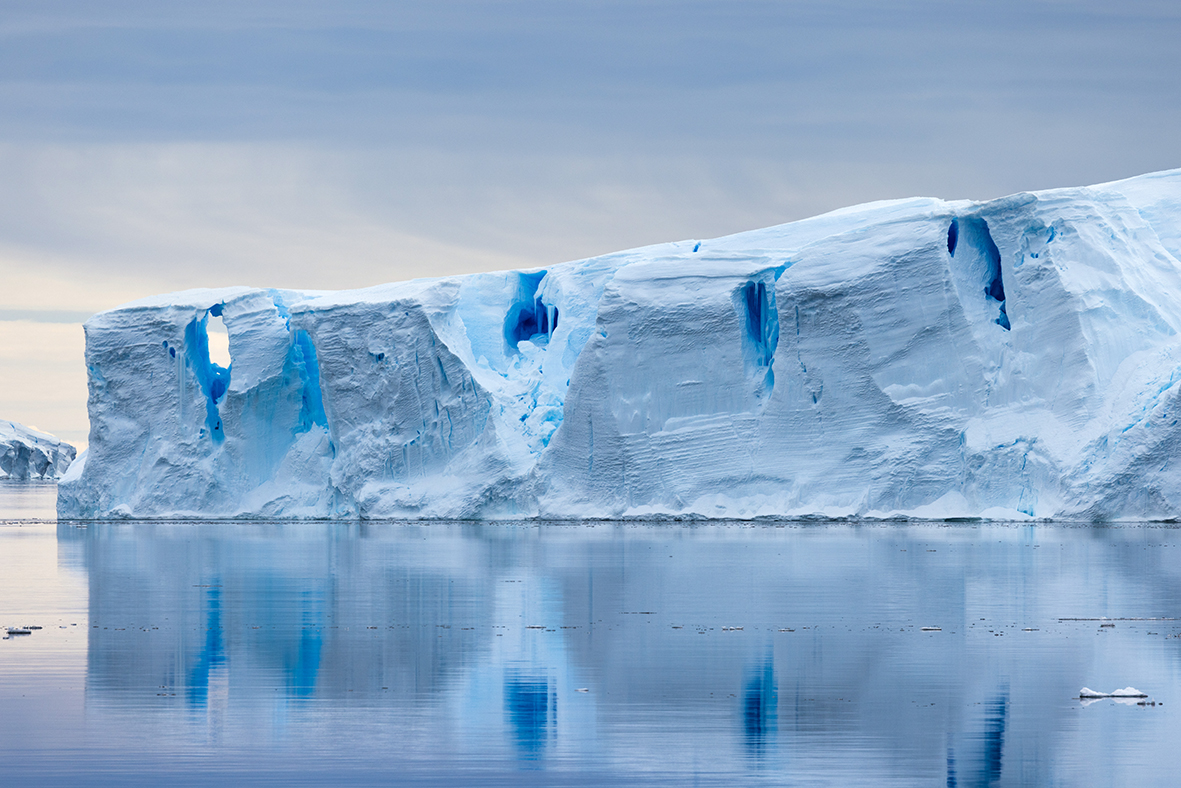
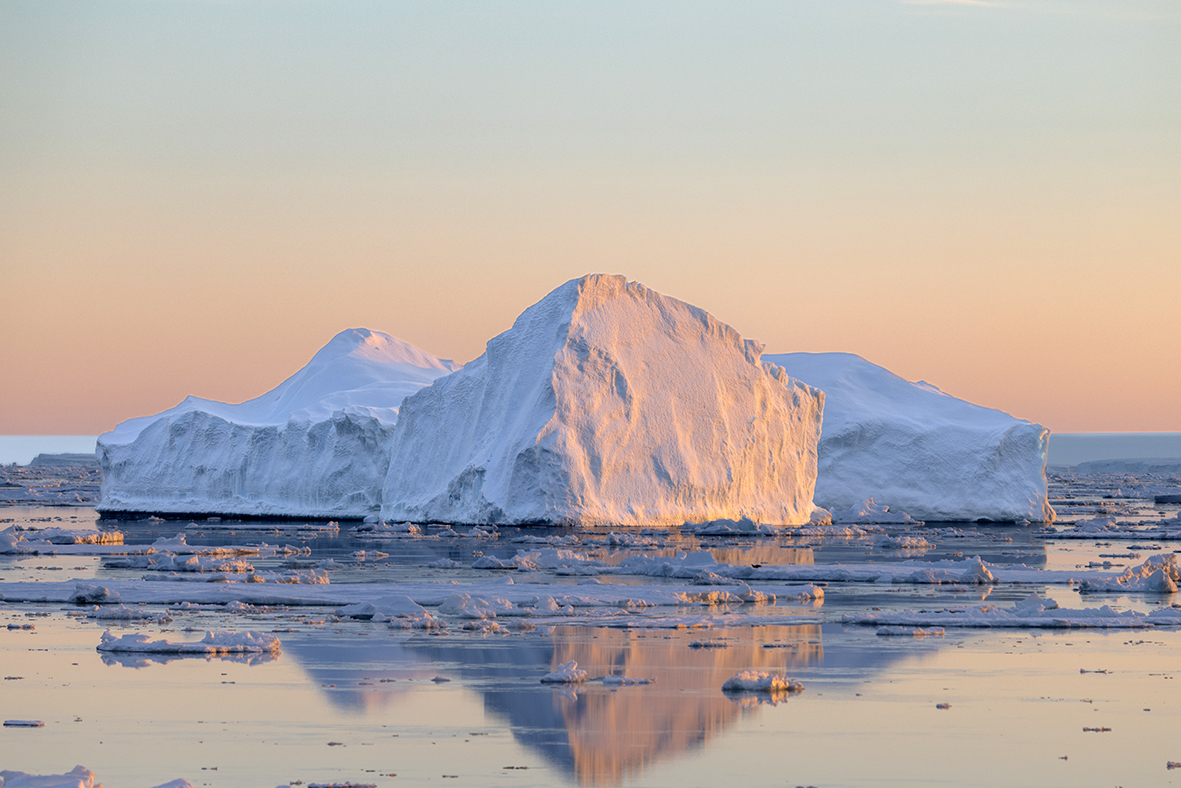
Icebergs of various shapes are found in the water: small pieces and giant massifs. Icebergs are fragments of ice shelves. The ice itself covering Antarctica moves at a speed of a few centimeters to several meters per day. People wintering at the stations can observe the split of the glacier and how the particles go into the ocean. The iceberg's color is interesting, its bluish glow is a feature of fresh water which the sun's color passes through very differently than through sea ice.
There are many polar stations in Antarctica: Russia, USA, Chile, Argentina, India, China, Australia and others. The famous Neutrino Telescope IceCube is at the American station "Amundsen - Scott". At present, an agreement signed in 1961 that Antarctica does not belong to anyone is valid at the territory, no one has the right to test weapons here, extract minerals, no secret research should be carried out and all knowledge gained on this mainland should be open. The agreement may be revised in 2048. Prior to its signing, many countries had territorial claims. These are mainly countries of geographical proximity: Chile, Argentina, Australia, New Zealand. In an effort to strengthen their land rights, Argentina and Chile even brought pregnant women to Antarctica and several people were born there.
Today, there are five Russian year-round stations in Antarctica. The station “Bellingshausen” is located on the Antarctic Peninsula. The rest are in the eastern part of the mainland: three - on the coast and another one, the station “Vostok” - in the depths of the mainland.
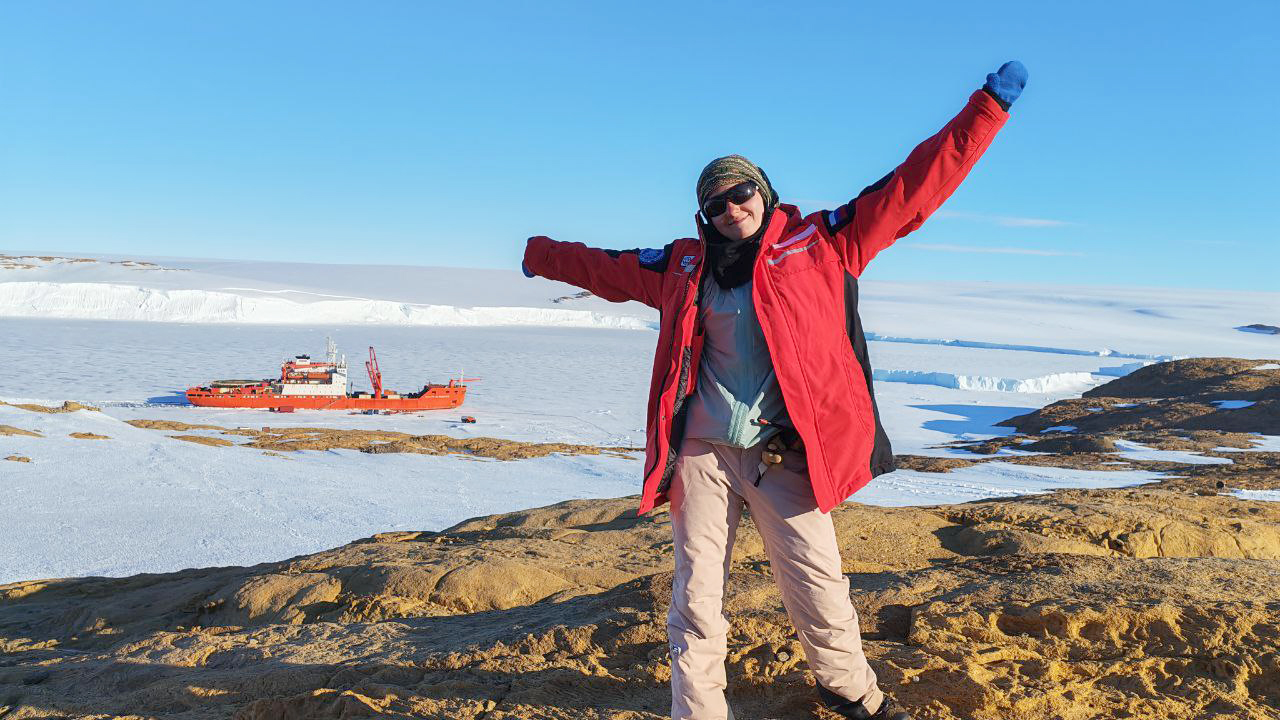
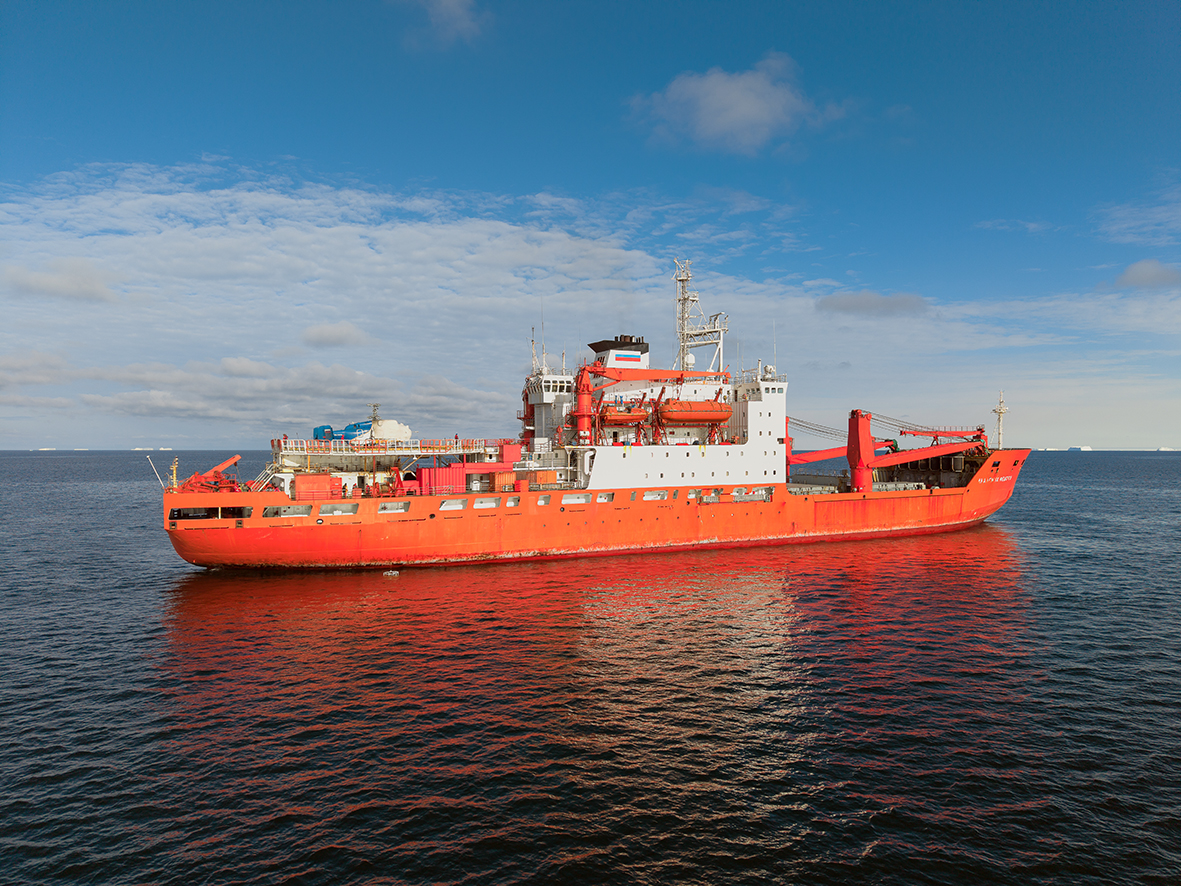
The expedition in which Polina participated was organized by the Arctic and Antarctic Research Institute (AARI) from St. Petersburg. The Institute has two vessels that swim to Antarctica. This expedition took place on the Research Vessel "Akademik Fedorov" constructed in 1987. It is about 140 meters long and about 20 meters wide. On board, there are two helicopters and 250 people are accommodated, 75 of which are crew. The speed of the vessel in the ocean is about 15 knots that is identical to 28 km/h. The distance from Cape Town to the first station in Antarctica is about 6 thousand kilometers, about two weeks on the move. Due to the size of the vessel and the stabilization, pitching is easier to tolerate than on small ships and there are no problems with seasickness.
The entire expedition lasts six months and is carried out in four stages: 1 - a month the vessel swims from St. Petersburg to Cape Town; 2 - two months pass along the route Cape Town - Antarctica - Cape Town; 3 – and another two months Cape Town - Antarctica - Cape Town; 4 - a month on the return journey from Cape Town to St Petersburg. The vessel transports people to the stations: it lands some for seasonal work and wintering, takes others away and also delivers food and fuel supplies. Polina joined the expedition in the second stage in Cape Town. Her research did not suggest a long stay at the station. Accommodation was on the vessel and one-day landings were made on the mainland to carry out research tasks.
At first, Polina sought to participate in the programme “Floating university” but failed. But she could work as a volunteer in this programme. One of the tracks took place at the P. P. Shirshov Institute of Oceanology of the Russian Academy of Sciences. On a tour of the Institute, Polina became interested in the Sea Atmosphere Interaction and Climate Laboratory. She exchanged contacts with employees and completed several trial tasks. After a year and a half, the Institute of Oceanology offered her to participate in the Antarctic expedition organized by AARI.
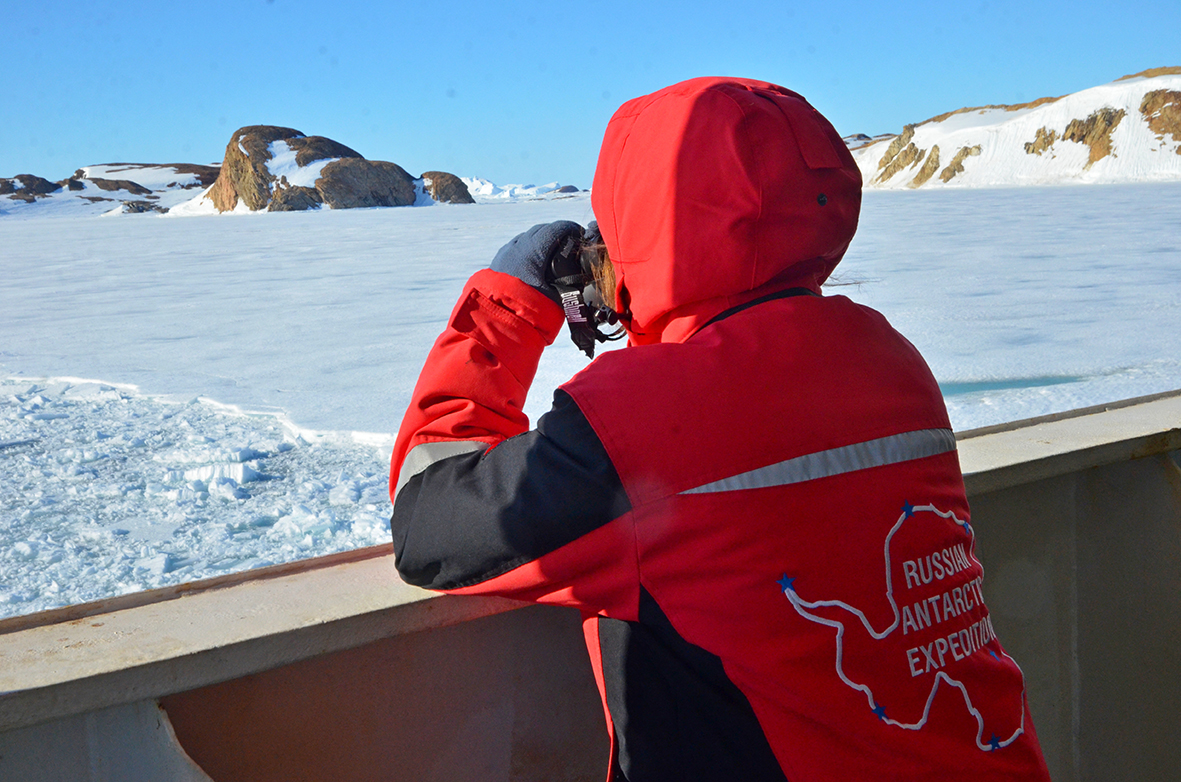
Polina's mission from the Institute of Oceanology was to measure atmospheric disturbances: sub-satellite visual observations, registering data from radar for the calibration from altimetry data aimed at online monitoring of disturbance parameters. The second area was the investigation of ice-wave interaction, namely, the installation of instruments to measure the flows of heat and momentum that go from the ocean to the atmosphere. The climate of our planet is highly dependent on the interaction of the ocean with the atmosphere.
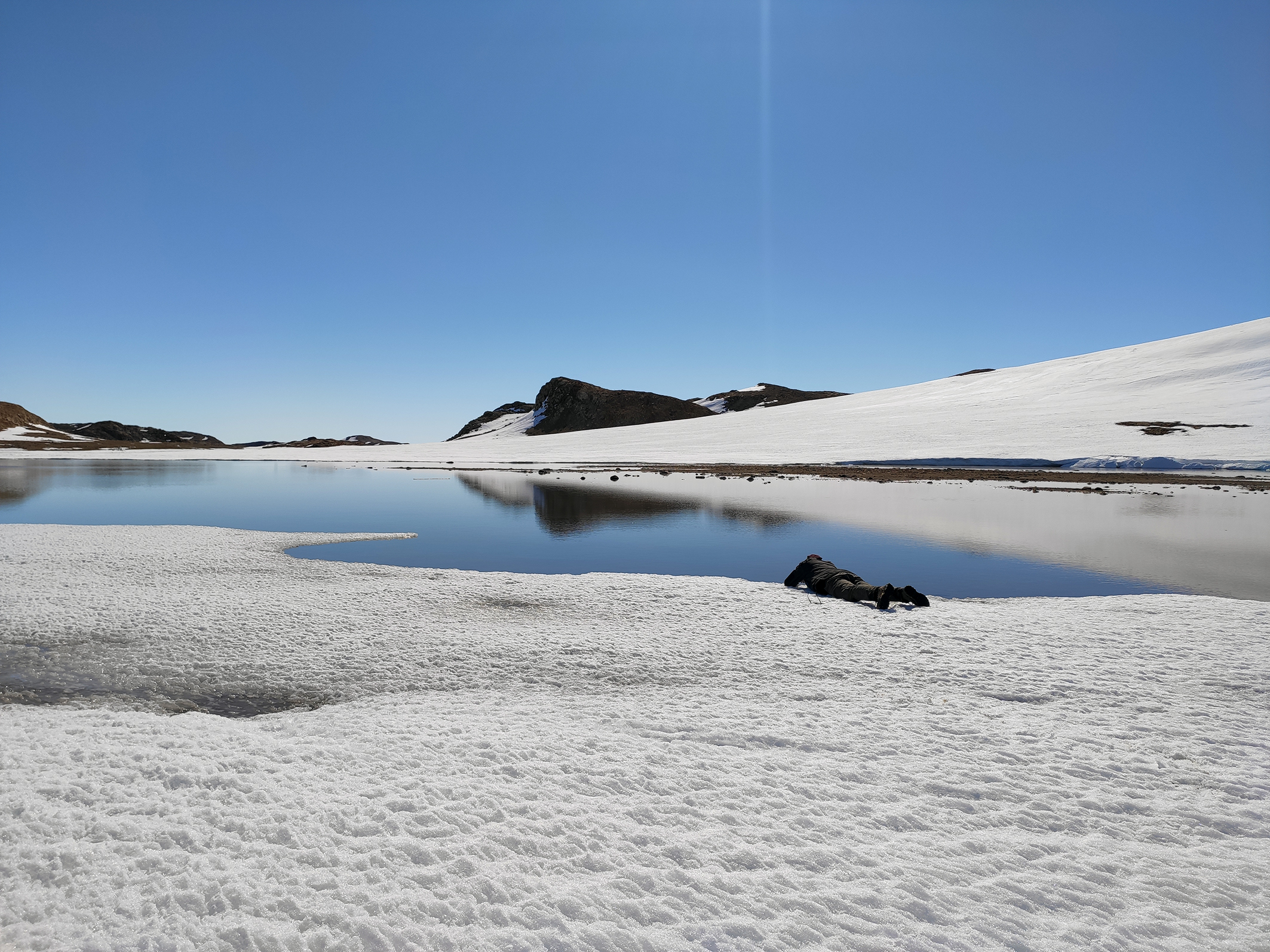
In Antarctica, Polina visited three Russian stations. The first is “Progress”. There are many lakes around the station, so various scientists come here for seasonal work. Here, the speaker participated in joint work with a virologist. Biological mats in water, animal remains and mosses were collected. Polina said that she remembered the FLNP Sector of Neutron Activation Analysis and collected several samples specially for them.
Part of the expedition was transported to the station “Vostok”. Polina did not visit it but said about a few facts, since the station is really interesting. “Vostok” is located in the depths of the mainland, 1950 km from the station “Progress”. It is located at an altitude of 3.5 km above sea level and people there need acclimatization, since there is not enough oxygen. Conditions are harsh. If at coastal stations, in summer the average temperature is 0 °C and in winter -15 °C, then here, the average temperature in summer is -35 °C degrees and -66 °C - in winter. The territory is called an icy desert, as the air is very dry and there is little snowfall. But despite it, very strong winds blow that carry untreated snow from the surface and over time, the stations find themselves under snow cover. Here, the stations stand on stilts, so that snow can fly under them. They are assembled from almost ready-made modular blocks in order to use construction forces to a minimum. The station is reached in several ways. By plane, when conditions permit. The most used is the sled-track train that runs for about two weeks. And also, on all-terrain vehicles "Burlak".
At the station “Vostok”, they are engaged in growing vegetables, fruit and herbs using a groundless technique - panoponics.
There is also a subglacial lake Vostok that is located under an ice thickness of about 3.7 km. One of the research areas in this place is glaciology. A special drilling rig is located at the station to obtain ice cores - ice cylinders, by the layers of which it is possible to estimate climate change on the planet, cataclysms and from the air bubbles preserved in the ice to study the composition of the ancient atmosphere. Cosmic dust is also studied. Under regular conditions, it is difficult to distinguish it from man-made pollution. This investigation is carried out by the colleagues from the St. Petersburg Institute of Nuclear Physics in Gatchina.
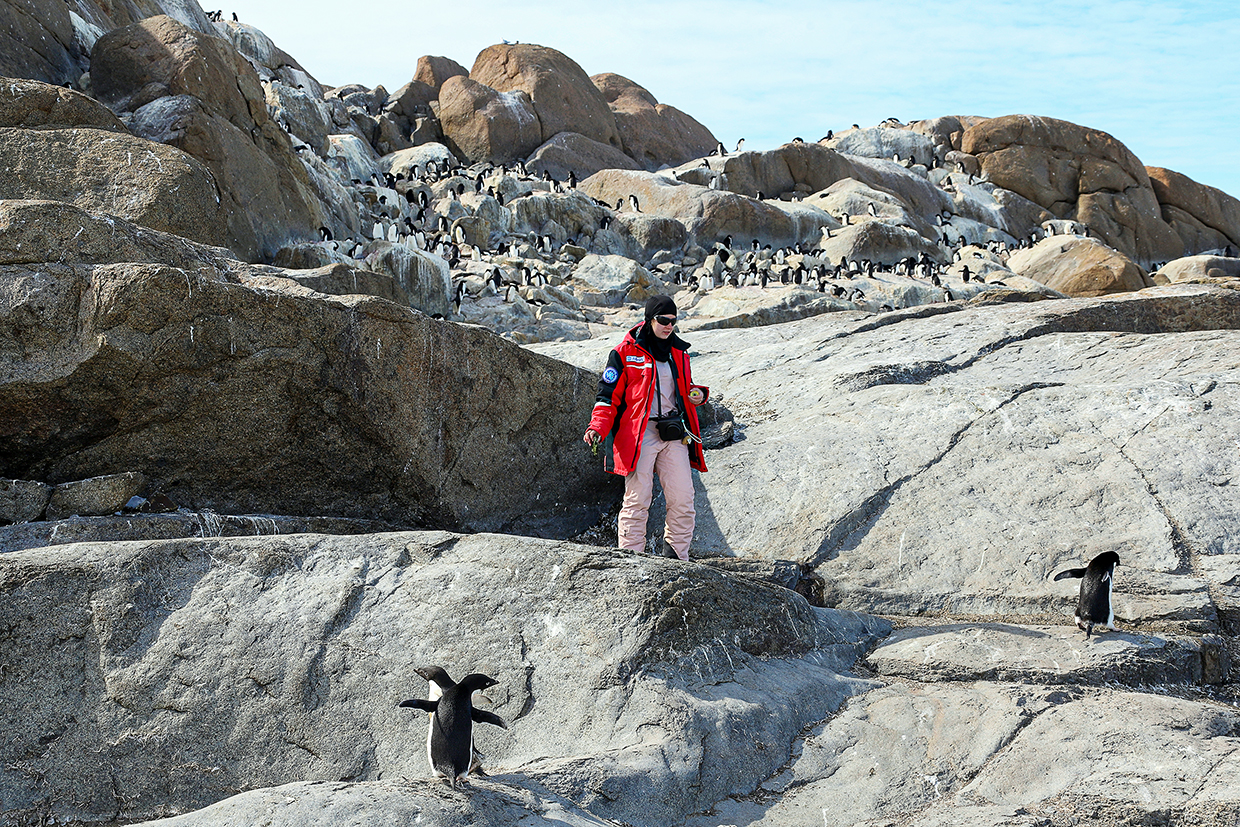
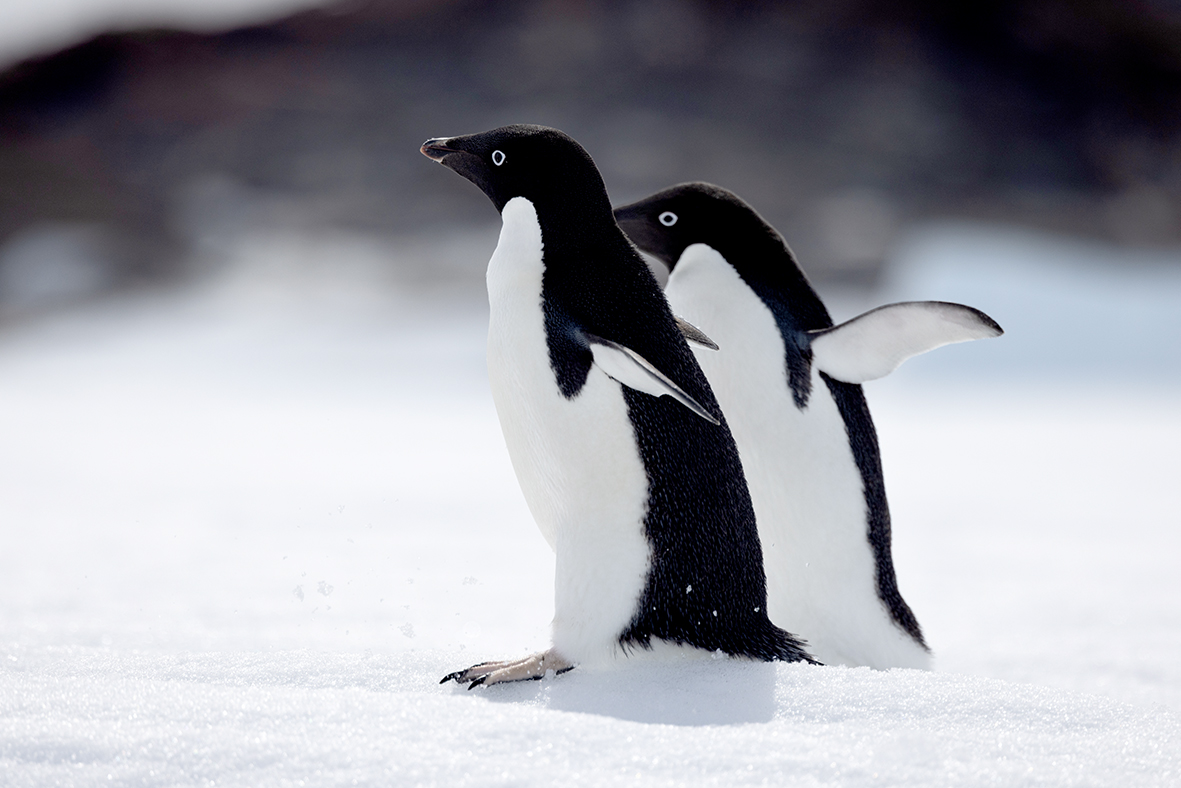
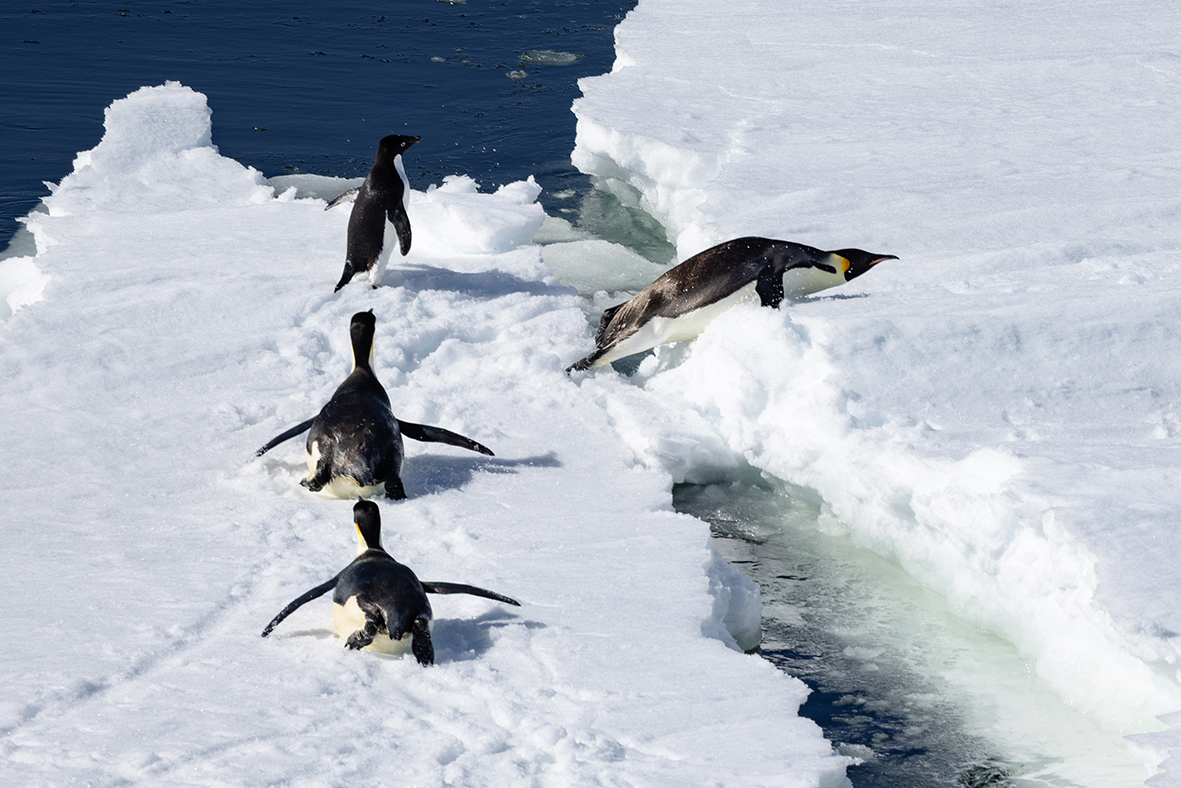
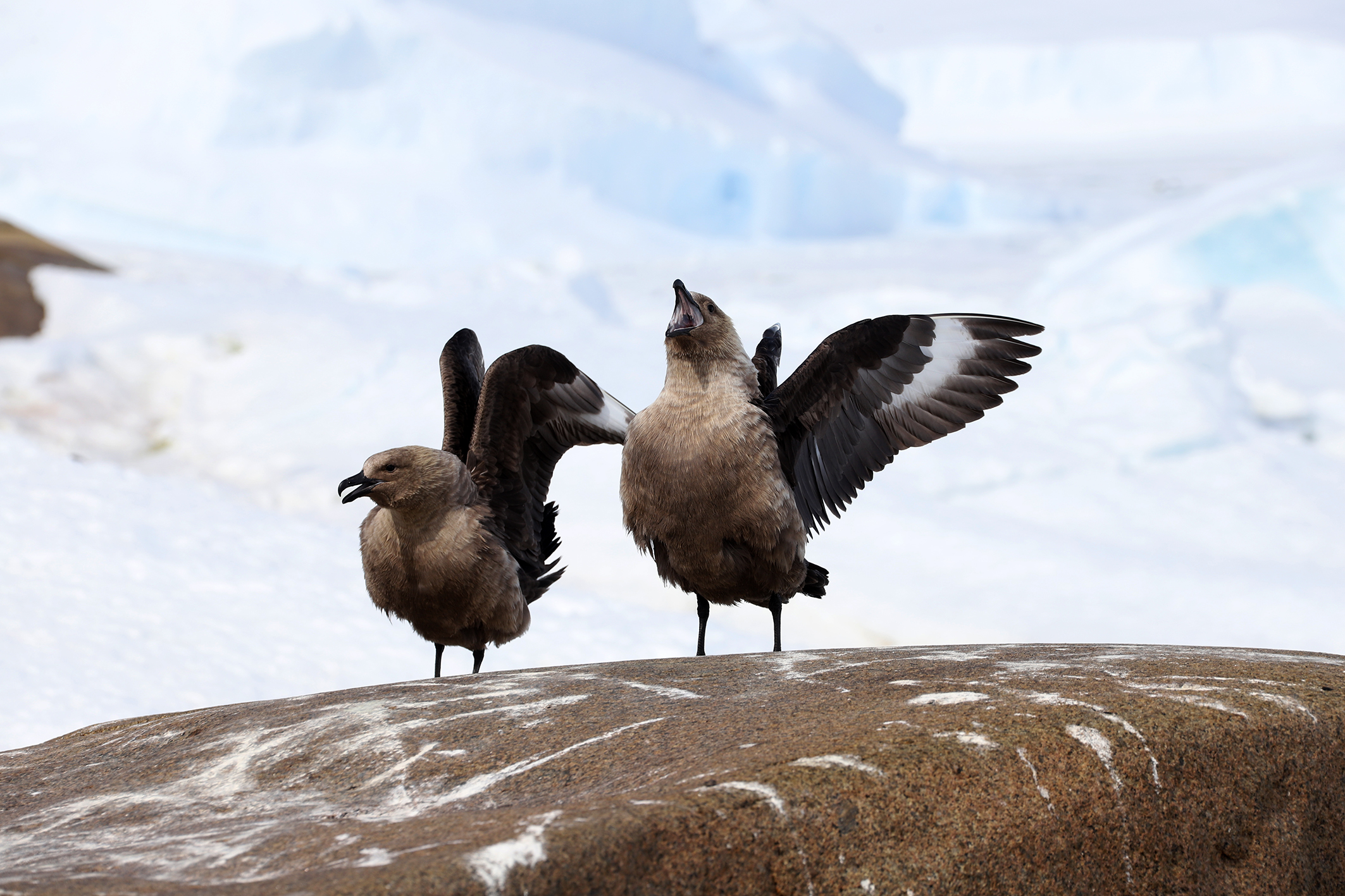
The next landing was at the station “Mirny”, the first Russian station built in 1956. The living conditions on it are more modest than on others but nearby, there are colonies of emperor penguins and Adele penguins - noisy and aggressive. Petrels, skuas and other birds also breed here. One of the tasks of the station “Mirny” is counting individuals and ringing birds.
Another station to visit was “Molodezhnaya”, in the Soviet Union, it was huge and could receive up to 500 people during the season. Streets and even running water were built there. Once, on “Molodezhnaya”, there was a 2.5 km long runway that could receive heavy aircraft, such as IL-76. Today, there are several aircraft covered with snow. In 1999, the station was mothballed due to lack of funding. Recently, it has been reopened and began to be used for seasonal work. Residual magnetization of rocks is investigated here.
There are several ways to get on an expedition organized by AARI. On application, if you have a scientific interest in Antarctica or have the specialty or skills required to serve the expedition. Such as, surgeons and anesthesiologists, cooks, meteorologists, various specialists for servicing equipment, maintaining the operation of the station are in demand. Men can go wintering. Women in our country are not yet invited to winter, yet they are taken at Indian stations.
Polina Filonchik thanked AARI and the colleagues from the P.P. Shirshov Institute of Oceanology of the Russian Academy of Sciences that allowed her to go on an expedition and to learn about another research area.
Answering a question of the seminar participant whether there was a desire to change her specialty to an oceanologist, Polina replied that a change of profession is not included in the immediate plans and her main goal is to defend her Ph.D. thesis in graduate school. But if they invited her on such a trip again, she would love to go.
When asked about personal impressions, fears and experiences, Polina replied, "There were no particular fears and experiences. There was a thirst to get a new experience. Yes, you are in a new staff and in a confined space which there is nowhere to leave from. Sometimes, there were not enough loved ones. But the vessel is large - there was where to go, even during a storm. It was forbidden to go to open areas in a storm but you can always go to a helicopter. I began to monitor the number of steps on the vessel and I had more of them than on land. It was very interesting to communicate with people of different professions and it broadened my horizons.
The big water did not scare me, only once, during the second storm, the thought flashed: but if something happens here, no one will save. Even if you take off by helicopter and land somewhere, it will be cold further. Looking at animals, you understand that they are better adapted to these conditions.
There were very beautiful sunsets and sunrises. An incredible polar day when the sun is close to the horizon, different weather and a lot of impressions."
Asked if she was happy to return home after such a busy trip, Polina said the moment of return was the most difficult, "Getting back into the routine wasn't easy. When I just stepped on board and people found out that I was going for two months, they said in surprise, "Only for two months?!" Many went to regular seasonal jobs. And for me then it was "two long months"! Today, I understand my colleagues from the expedition very well. I didn't want my trip to end at all.”

Maria KARPOVA,
photos from the archive of Polina FILONCHIK
